How Roof Ventilation Helps Prevent Moisture and Mold
Roof ventilation helps prevent moisture and mold buildup by promoting airflow, and local contractors can install or improve systems to protect your home.
Proper roof ventilation plays a crucial role in maintaining a healthy and durable home. By allowing air to circulate effectively within the attic space, it helps regulate temperature and humidity levels, which can otherwise lead to excess moisture buildup. When moisture becomes trapped, it creates an ideal environment for mold growth and can contribute to structural issues over time. Property owners in the area who are concerned about these problems often turn to trusted local contractors specializing in roof ventilation to ensure their homes stay dry and mold-free.
Understanding how roof ventilation helps prevent moisture and mold highlights the importance of professional installation and maintenance. Local service providers can assess existing ventilation systems, recommend the right solutions, and perform installations that optimize airflow. Keeping attic spaces well-ventilated not only protects the home’s integrity but also enhances indoor air quality. For those exploring ways to safeguard their property from moisture-related issues, connecting with experienced local contractors can make a significant difference in achieving long-term comfort and peace of mind.
- Attic Ventilation Installation - homeowners noticing excess moisture buildup may need attic ventilation to promote air circulation and prevent mold growth, with local contractors assessing and installing appropriate vent systems.
- Roof Vent Repair Services - when existing roof vents are damaged or clogged, local service providers can repair or replace them to maintain proper airflow and reduce moisture issues.
- Gable and Soffit Vent Installation - properties experiencing poor attic ventilation often benefit from the addition of gable or soffit vents, with local pros customizing solutions to improve moisture control.
- Ventilation System Inspection - if there are signs of mold or condensation, local contractors can evaluate current roof ventilation to identify deficiencies and recommend improvements.
- Roof Ventilation Upgrades - older roofs with inadequate ventilation may require upgrades from local service providers to enhance airflow and help prevent moisture accumulation and mold development.
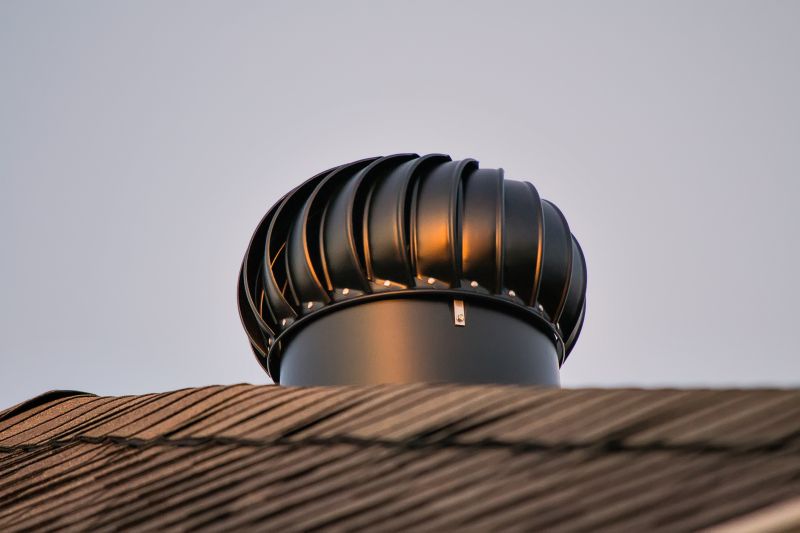
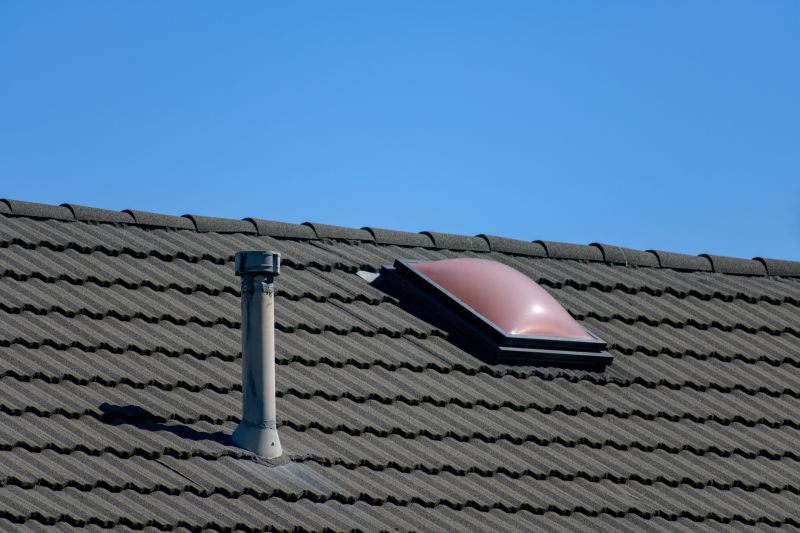
When homeowners search for how roof ventilation helps prevent moisture and mold, they are often looking to understand how proper attic airflow can protect their homes. Moisture buildup in the attic or roof space is a common concern, especially in areas with high humidity or significant temperature changes. Poor ventilation can trap humid air, leading to condensation that seeps into roof structures and insulation. Over time, this excess moisture creates an environment conducive to mold growth, which can damage roofing materials and pose health risks. Many property owners want to learn about effective ventilation solutions that can help keep their homes dry and mold-free, especially in the context of ongoing maintenance or new roof installations.
The problems linked to inadequate roof ventilation typically involve excess moisture, mold development, and deterioration of roofing components. These issues often arise in homes where attic spaces are poorly ventilated or where insulation blocks airflow. Homeowners may also be planning renovations or upgrades to improve energy efficiency, which can sometimes inadvertently restrict ventilation if not properly addressed. Properties with attics that are used for storage or have limited airflow are especially vulnerable. Local contractors who specialize in roof ventilation can assess existing systems, recommend improvements, and install vents or fans that facilitate continuous airflow, helping prevent the moisture problems that lead to mold growth.
The types of properties most commonly associated with this topic include single-family homes, especially those with attics that are not naturally ventilated, as well as multi-family buildings and small commercial structures. Many older homes may lack modern ventilation systems, making them more susceptible to moisture issues. Newer constructions often incorporate ventilation features, but these need to be correctly installed and maintained to work effectively. Homeowners of these properties might be considering upgrades or repairs to address persistent humidity or mold issues. Local service providers who specialize in roof ventilation can evaluate the unique needs of each property, recommending tailored solutions that improve airflow and reduce moisture buildup.
Understanding how roof ventilation helps prevent moisture and mold connects directly to ongoing property maintenance and renovation plans. Proper ventilation is a key factor in controlling humidity levels within the attic space, which in turn prevents condensation and mold growth. When planning roof repairs, upgrades, or new installations, it’s essential to include ventilation solutions that match the property's size, design, and climate conditions. Local contractors familiar with the area’s specific requirements can provide expert advice and install the right vents, fans, or ridge systems. This proactive approach helps protect the roof’s integrity, preserves insulation, and promotes healthier indoor air quality, making it a valuable consideration in maintaining a safe, durable home.
Attic Insulation Installation - Proper attic insulation works alongside roof ventilation to reduce moisture buildup and prevent mold growth, and local contractors can ensure both are properly installed.
Roof Repair and Replacement - Repairs and replacements often include assessing and improving ventilation systems to help control moisture levels in the attic and roof space.
Attic Ventilation System Installation - Installing or upgrading attic ventilation systems directly addresses moisture control, making it a key step in preventing mold issues in roofing projects.
Gutter and Drainage System Services - Proper gutter installation and maintenance help manage water runoff, reducing excess moisture that can contribute to mold in roof and attic areas.
Attic Air Sealing - Sealing leaks in the attic prevents warm, moist air from entering, working in tandem with ventilation to keep moisture levels in check.
Roof Inspection and Maintenance - Regular inspections include checking ventilation components, which are vital for moisture management and mold prevention on roofs.
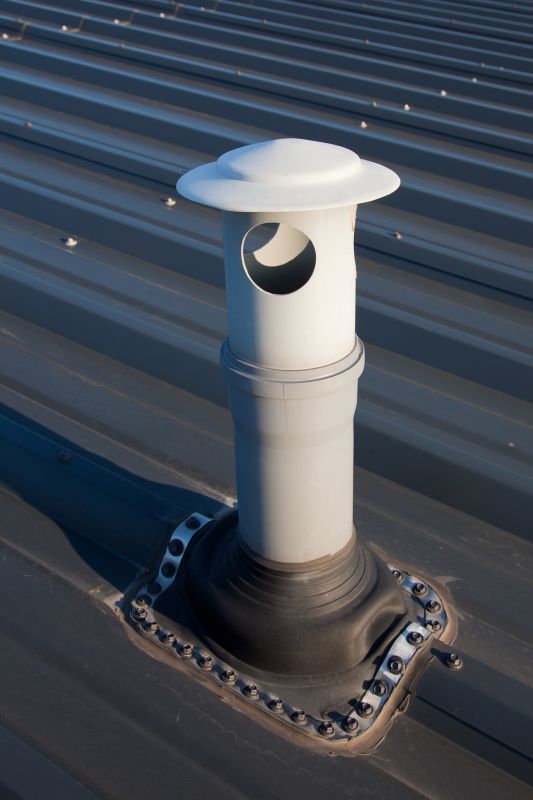
When evaluating local contractors for roof ventilation services, it is important to consider their experience with similar projects. Homeowners should inquire about the types of ventilation systems they have installed and their familiarity with addressing moisture and mold issues specific to their climate and roof design. An experienced service provider will have a track record of successfully handling projects similar to the homeowner’s, which can provide confidence that they understand the nuances of proper ventilation and its role in preventing moisture buildup.
Clear written expectations are essential when comparing local pros for roof ventilation work. Homeowners should seek detailed descriptions of the scope of services, including the types of ventilation components to be installed, the recommended placement, and any necessary preparation or follow-up. Having this information in writing helps ensure everyone is aligned on what the project entails and reduces the potential for misunderstandings. It also provides a basis for evaluating proposals and confirming that the contractor’s approach aligns with the homeowner’s goals for preventing moisture and mold.
Reputable references and strong communication practices are key factors to consider when selecting local contractors. Homeowners can ask for references from past clients who had similar ventilation needs and inquire about their experiences regarding project quality and professionalism. Good communication from the service provider includes prompt responses to questions, clear explanations of options, and transparency throughout the process. These elements help foster a positive working relationship and give confidence that the contractor will prioritize the homeowner’s concerns and provide reliable, effective roof ventilation solutions.
Property owners often search for how roof ventilation helps prevent moisture and mold when they are planning practical projects around their homes and businesses. Local pros provide Roof Ventilation services for everyday jobs and straightforward project options.
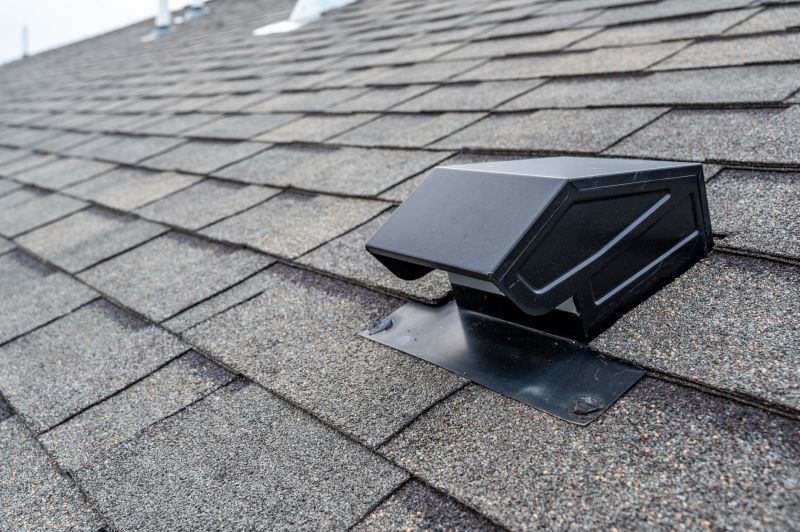
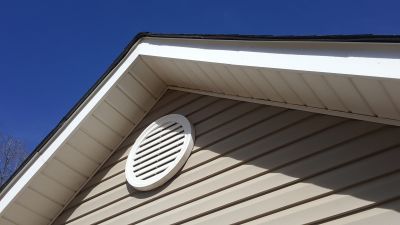
Understanding how roof ventilation helps prevent moisture and mold is a common concern for property owners dealing with attic humidity or noticing signs of mold growth. Proper ventilation allows moist air to escape from the attic space, reducing the chances of condensation forming on rafters and insulation. This simple yet effective approach can protect the structural integrity of a home and improve indoor air quality, making it a practical consideration for anyone planning home improvements or repairs.
Many property owners turn to local contractors to ensure their roof ventilation system is correctly installed and functioning as it should. Skilled service providers can evaluate existing ventilation setups, recommend suitable solutions, and handle installation or upgrades as needed. This helps keep attic spaces dry and prevents the buildup of moisture that can lead to mold growth, ultimately supporting a healthier and more durable home environment.
How does roof ventilation help prevent moisture buildup in a home? Roof ventilation allows moist air to escape from the attic, reducing humidity levels that can lead to moisture accumulation and potential mold growth. Local contractors can install or upgrade ventilation systems to improve airflow and moisture control.
Why is proper roof ventilation important for mold prevention? Proper roof ventilation helps regulate temperature and moisture levels in the attic space, preventing conditions that favor mold growth. Experienced service providers can assess and enhance ventilation to keep mold risks at bay.
Can roof ventilation reduce the likelihood of mold forming in my attic? Yes, effective roof ventilation reduces excess moisture and condensation, which are common causes of mold development. Local pros can recommend and install ventilation solutions tailored to your home's needs.
How do local roof ventilation services contribute to moisture control? Local contractors evaluate attic ventilation and install or improve vents to promote proper airflow, helping to control moisture levels and prevent mold issues over time.
What role does roof ventilation play in maintaining a healthy indoor environment? By preventing moisture buildup and mold growth in the attic, roof ventilation supports a healthier indoor environment and protects the structural integrity of the home. Service providers can ensure your ventilation system functions effectively.
Assessing attic ventilation needs - property owners can evaluate their attic spaces to determine if additional ventilation is needed to reduce moisture buildup.
Installing ridge or soffit vents - homeowners can work with local contractors to add or upgrade vents that promote continuous airflow and prevent mold growth.
Ensuring proper insulation and vent placement - proper insulation combined with strategic vent placement helps maintain balanced moisture levels inside the attic.
Scheduling regular roof inspections - routine inspections by local service providers can identify ventilation issues early and help maintain a dry, mold-free environment.
If you are thinking about how roof ventilation helps prevent moisture and mold for a property, this guide is meant to help you understand this topic, the typical project types, and how different options might fit your plans.
When you are ready, you can use the quote form on this page to share a few details about your project. From there, local pros can review the basics and follow up with options that match what you have in mind.